
Indianapolis Roofers Guide
Is Metal Roofing Worth It for Your Indianapolis Home?
Published July 5, 2026
Central Indiana asks a lot of a roof: dozens of freeze-thaw cycles every winter, snow and ice, a spring severe-weather season that reliably brings hail and damaging wind, then hot, humid summers. Asphalt shingles handle all of that — but they wear out faster here than in milder climates. Metal is the material that mostly doesn’t care. Here’s an honest look at whether it’s worth the price for your home.
What metal roofing costs in Indianapolis
| Material | Typical installed cost (avg. home) |
|---|---|
| Architectural shingles | $9,000 – $20,000 |
| Exposed-fastener metal panels | $12,000 – $22,000 |
| Standing-seam metal | $15,000 – $32,000 |
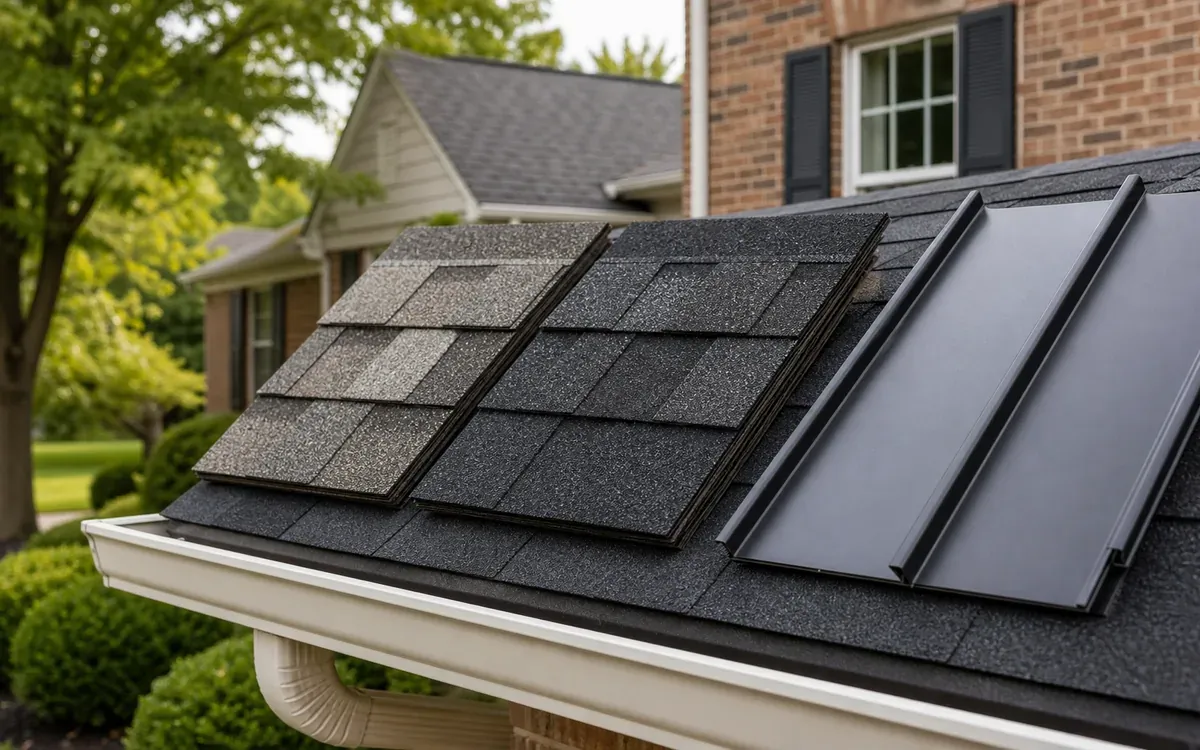
That’s a real premium — usually 60–80% more than architectural shingles for standing seam. The payoff: a standing-seam roof typically lasts 40–60+ years in Indiana, versus 18–24 years for architectural shingles. Over a long horizon, one metal roof against two shingle replacements changes the comparison significantly.
How metal performs in the Indiana climate
- Freeze-thaw immunity — metal doesn’t absorb water, so the freeze-thaw cycling that cracks and delaminates aging shingles simply doesn’t affect it.
- Snow and ice — smooth metal panels shed snow far more readily than shingles, which reduces ice dam risk along the eaves (attic insulation and ventilation are still the primary defense).
- Hail resistance — most standing-seam systems carry Class 4 impact ratings, the highest available. Severe hail can leave cosmetic dents, but the roof’s waterproofing holds where asphalt would lose granules and bruise.
- Wind resistance — concealed-fastener panels resist the uplift from spring windstorms and the occasional tornado-warned squall line far better than tabbed shingles.
- Summer heat — reflective metal finishes lower attic temperatures and can trim cooling costs compared to a dark shingle roof baking through an Indiana July.
Screw-down vs. standing seam in Indiana
Exposed-fastener panels are the budget path to metal, but Indiana’s big temperature swings work those exposed screws loose over time — expect gasket and fastener maintenance every 10–20 years. Standing seam’s hidden clips let the panels expand and contract freely through Midwest seasons, which is why it’s the system we recommend when the budget allows.
Metal roof repair: what it actually involves
Damage rarely means starting over. Backed-out fasteners get re-driven or replaced, isolated hail dents or punctures can be patched or have a single panel section swapped, and failed sealant at ridges and penetrations is routine maintenance. Full replacement only enters the conversation when corrosion or fastener failure is widespread — uncommon on a properly installed system inside its expected lifespan.
Is it right for your home?
Metal makes the most sense in Indianapolis if you plan to stay 10+ years, are tired of storm-chasing shingle repairs every spring, or want the insurance advantages of a Class 4 roof. If you expect to sell within a few years, shingles usually pencil out better.
Call for a free estimate and we’ll help you weigh metal against shingles for your specific home and budget — no pressure either way.